
gold oval bathroom mirror
Understanding T-Slot Cast Iron Surface Plates An Essential Tool in Precision Measurement In the world of manufacturing and precision engineering, achieving accurate measurements is paramount. One critical tool that plays a vital role in this process is the T-slot cast iron surface plate. This article delves into the characteristics, uses, and advantages of T-slot cast iron surface plates, highlighting their significance in modern industrial applications. What is a T-Slot Cast Iron Surface Plate? A T-slot cast iron surface plate is a flat, level, stable, and rigid surface designed for the purpose of inspection, marking out, and assembling components. Constructed from high-quality cast iron, these plates are engineered to provide precision and reliability. The unique aspect of a T-slot surface plate is its T-shaped slots, which enable the securement of fixtures and measuring devices, allowing for a versatile range of applications. Characteristics of T-Slot Cast Iron Surface Plates 1. Material The primary material used in the construction of these plates is gray cast iron. This material is favored for its durability, ability to withstand industrial wear and tear, and excellent vibration-dampening properties. 2. Flatness and Stability Surface plates are manufactured to strict tolerances, ensuring their flatness and stability. This precision is vital for achieving accurate measurements during inspections and setups. 3. T-Slot Design The T-slots integrated into the surface provide flexibility in securing measuring instruments or fixtures. This design facilitates ease of use and adjustment, making it a preferred choice in machine shops and laboratories. 4. Size Variability T-slot surface plates come in various sizes, from small handheld versions to large plates used for massive components. This diversity allows them to cater to different industrial needs. Uses of T-Slot Cast Iron Surface Plates T-slot cast iron surface plates serve multiple purposes in manufacturing and engineering processes 1. Inspection and Quality Control These plates are often employed in quality control environments to inspect machined parts. Using precision instruments, operators can measure dimensions and check for flatness, ensuring that components meet specified tolerances. t slot cast iron surface plate 2. Layout and Marking Out Engineers and machinists use surface plates to lay out and mark dimensions on components before machining . The flat surface provides a reference point, making it easier to achieve accurate cuts and shapes. 3. Assembly Work Surface plates are also used as a stable base for assembling components. The T-slots allow for the secure mounting of jigs and fixtures, enhancing productivity and precision during assembly. 4. Testing and Calibration In laboratories, T-slot surface plates are instrumental in testing and calibrating measuring instruments, ensuring that they function within required specifications. Advantages of T-Slot Cast Iron Surface Plates 1. Enhanced Precision The rigidity and flatness of these plates contribute to the accuracy of measurements and setups, reducing the chance of human error. 2. Durability Cast iron is known for its strength and resilience, allowing the plates to endure heavy loads and rough handling without deforming. 3. Versatility The T-slot design permits the attachment of various fixtures and tools, making surface plates adaptable to diverse applications. 4. Vibration Damping The inherent properties of cast iron assist in dampening vibrations, which is crucial when making precise measurements. 5. Cost-Effectiveness While the initial investment may be significant, the durability and functionality of T-slot surface plates make them a cost-effective solution over time. Conclusion In summary, T-slot cast iron surface plates are indispensable tools in precision measurement and engineering. Their unique features, combined with their robust construction, make them ideal for a variety of applications ranging from quality control to assembly. By understanding the advantages and uses of these plates, industries can enhance their operational efficiency and maintain high standards of accuracy in their processes. As technology advances, the relevance of T-slot cast iron surface plates remains steadfast, showcasing their importance in a precision-driven world.
about
gold oval bathroom mirror
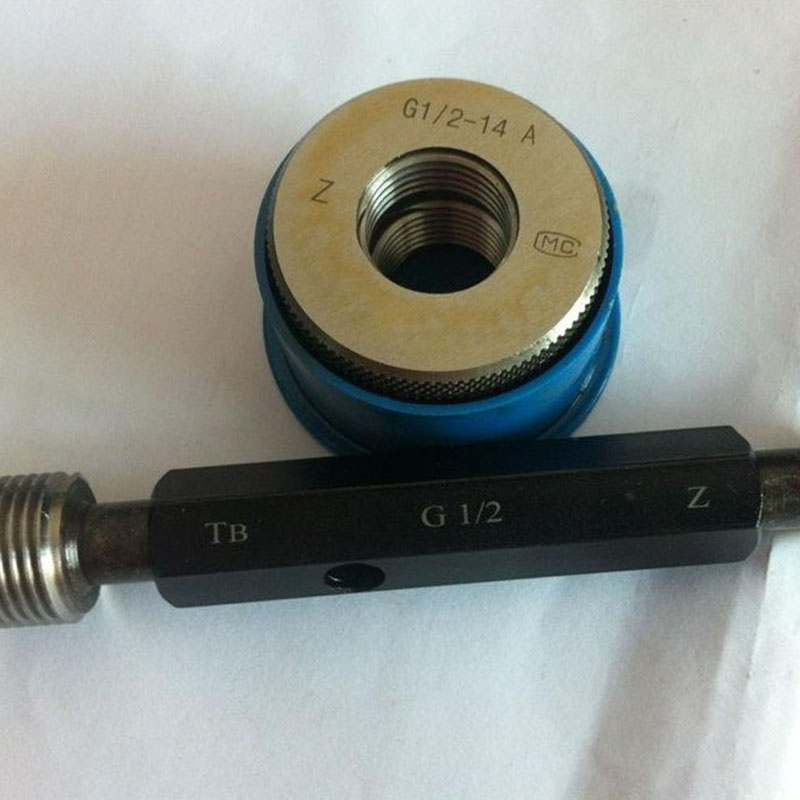
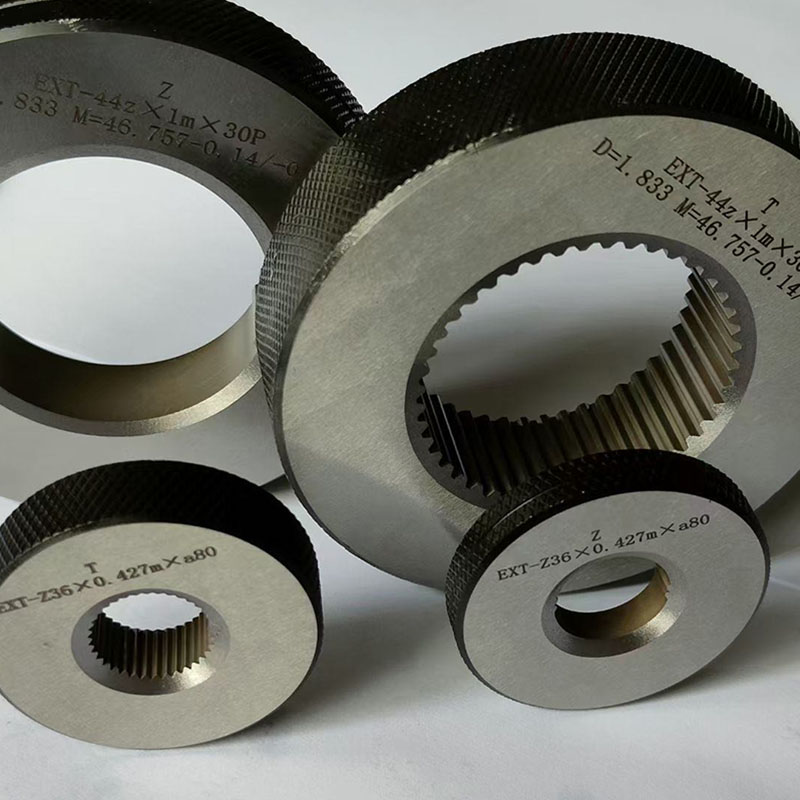
Understanding Precision Ring Gauges Applications, Benefits, and Best Practices In the world of manufacturing and engineering, precision is of utmost importance. Among the myriad of tools and instruments used to ensure accuracy in measurements, precision ring gauges hold a significant place. These sophisticated tools are instrumental in defining tolerances and ensuring that components fit together as intended. This article will delve into the functionalities, applications, advantages, and best practices for utilizing precision ring gauges. What Are Precision Ring Gauges? Precision ring gauges, also known as ring gauge or slip gauges, are cylindrical tools used primarily to measure the outer dimensions of workpieces, typically shafts or other round objects. They consist of a set of predetermined sizes, designed to check the external diameters of manufactured parts. Made from high-quality steel or carbide, precision ring gauges are engineered to offer durability and exceptional accuracy. Applications of Precision Ring Gauges 1. Quality Assurance Precision ring gauges are widely utilized in quality control processes within manufacturing environments. They allow operators to verify that components conform to specified tolerances, ensuring that products can be assembled without issues. 2. Tooling for CNC Machines In Computer Numerical Control (CNC) machines, precision ring gauges can be employed to calibrate the tools effectively. By knowing the exact dimensions and tolerances, manufacturers can achieve better results, leading to increased productivity and reduced wastage. 3. Engineering Design Engineers rely on precision ring gauges to verify prototype parts before they enter full-scale production. Checking the dimensions of prototypes ensures compliance with design specifications and prevents costly errors. 4. Automotive and Aerospace Industries These industries require stringent quality checks to ensure safety and reliability. Precision ring gauges are essential in measuring the dimensions of critical components, such as bearings and fittings, where even a minute deviation can lead to failures. Benefits of Using Precision Ring Gauges 1. High Accuracy Precision ring gauges are designed to provide outstanding accuracy, often with tolerances as tight as a few micrometers. This precision is essential in high-stakes industries where errors can have significant consequences. precision ring gauges 2. Durability Manufactured from robust materials, precision ring gauges can withstand stress and wear, making them a long-term investment for any manufacturing operation. 3. Ease of Use Precision ring gauges are straightforward to use, requiring minimal training for new operators. They can quickly gauge a part’s dimensions, streamlining the inspection process. 4. Versatility These gauges are available in various sizes and types, allowing them to be utilized across numerous applications in different industries. Their versatility ensures that they can accommodate a wide range of measuring needs. Best Practices for Using Precision Ring Gauges 1. Calibration Regular calibration is critical to maintaining the accuracy of precision ring gauges. Operators should develop a schedule for calibration and adhere to it strictly. 2. Proper Handling Handle gauges with care, as they can be sensitive to manufacturing defects. Avoid dropping or exposing them to harsh environments which could affect their performance. 3. Cleaning and Maintenance Keep precision ring gauges clean and free from debris. Regularly clean the gauges to prevent any buildup that could interfere with measurement accuracy. 4. Training Ensure that all personnel using ring gauges are adequately trained in measurement techniques and the correct interpretation of results. This training will help minimize human error in quality control processes. Conclusion Precision ring gauges are essential tools in various industries, ensuring that components meet stringent quality standards. Their accuracy, durability, and ease of use make them invaluable in quality assurance processes. By understanding their applications, advantages, and best practices, manufacturers can optimize their use, enhance productivity, and maintain the highest levels of quality in their products. As technology advances, precision ring gauges will continue to play a crucial role in the manufacturing and engineering landscape.
-

High quality industrial productsagement

High quality industrial products
View Details -

Meet the diverse needs of customers

Meet the diverse needs of customers
View Details -

Strict quality control

Strict quality control
View Details -

Top raw materials

Top raw materials
View Details -

Trusted supplier

Trusted supplier
View Details
Our application


news and information
Versatile Clamps for Effective Fabrication Table Applications and Projects
Fabrication Table Clamps Essential Tools for Precision in Manufacturing In the realm of manufacturin
Válvula borboleta 250mm
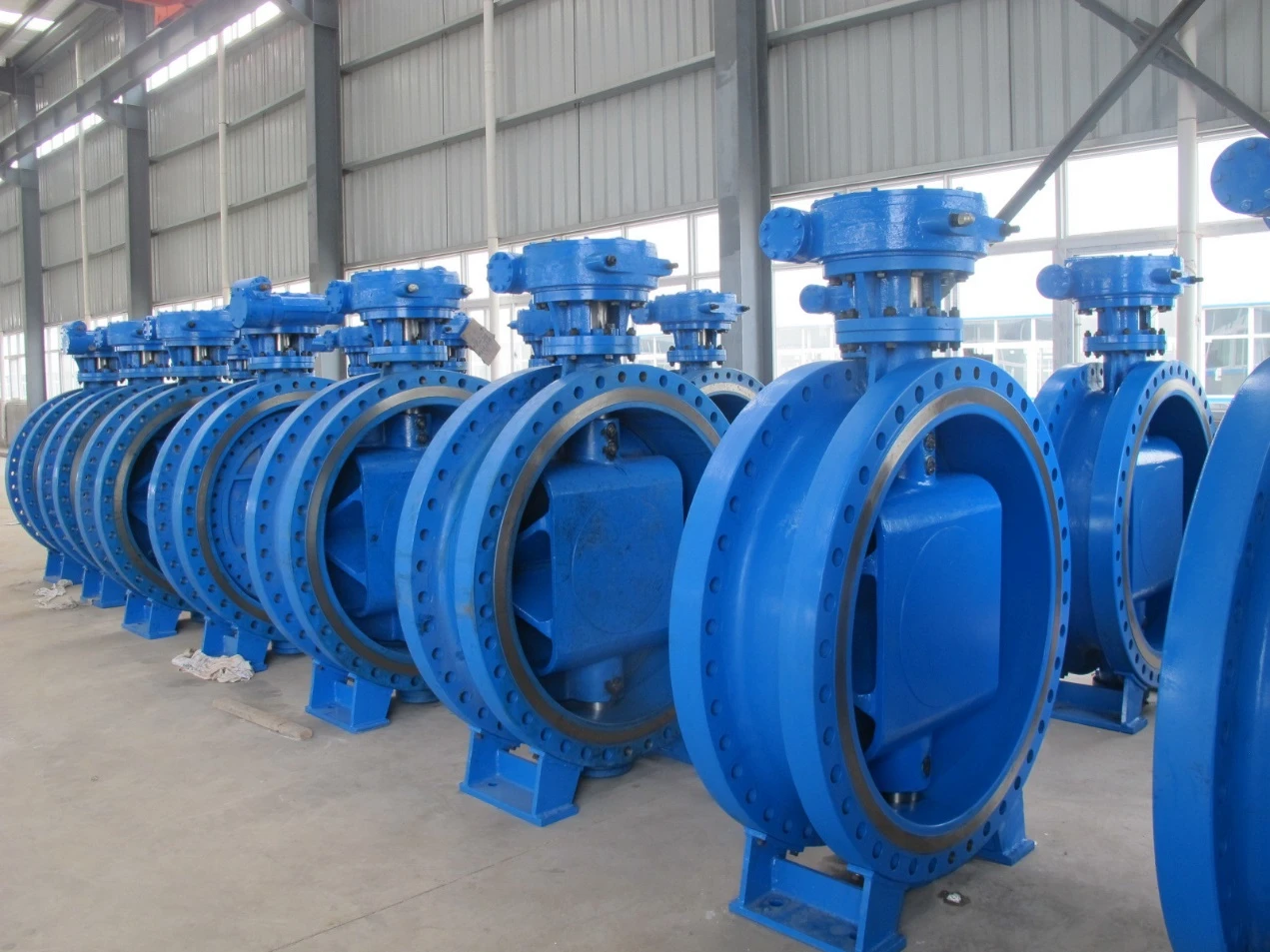
Válvula Borboleta de 250mm Eficiência e Versatilidade em Sistemas de Fluídos As válvulas borboleta t

which way turn water valve off
How to Turn Off a Water Valve A Step-by-Step Guide Understanding how to turn off a water valve is an
 English